1952 and the following thirty years
A Planned Suburb
[Blackeberg](entity:location-recall-location-blackeberg-f76c4f0d4a94) was built as a modern, carefully planned suburb rather than a place grown from older streets and traditions. Families moved into finished apartments, arranged their possessions, and found playgrounds, green spaces, and pedestrian paths already laid out for them.
The settlement had almost no history that its children could claim and no church to anchor it in older beliefs. Its residents prized its rational, modern character, but that confidence also left the community unprepared for the uncanny events that would arrive.
October 18, 1981
A Secret Arrival
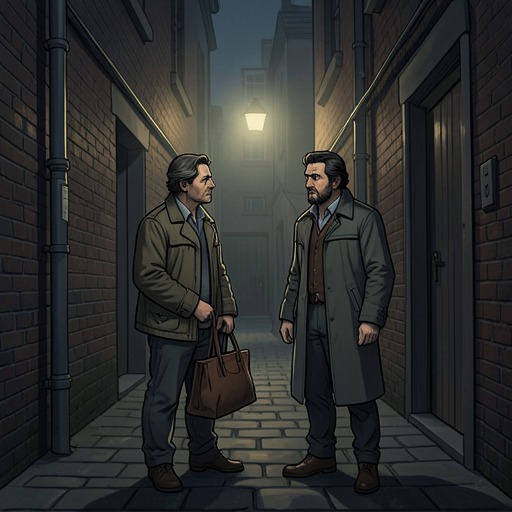
A moving-truck driver later recalled taking a father and daughter from [Norrköping](entity:location-recall-location-00601d84e602) to [Blackeberg](entity:location-recall-location-blackeberg-f76c4f0d4a94) at night. The pair had few belongings and insisted that the move happen after dark.
The driver learned only later who his passengers had been and what followed. He kept the memory to himself, understanding that he had helped an unknown pair enter the suburb unnoticed.
Wednesday, October 21, 1981
The Classroom Drug Lesson
At [Oskar Eriksson](entity:character-recall-character-oskar-eriksson-b766b6a4bc63)’s school, [Gunnar Holmberg](entity:character-recall-character-gunnar-holmberg-fdbef943a3c0) showed class 6B a small bag of heroin during a lesson about drugs. [Oskar](entity:character-recall-character-oskar-ea89577afe7e) knew the answer and raised his hand, grateful for a moment in which a policeman looked at him as someone worth listening to.
[Jonny Forsberg](entity:character-recall-character-jonny-forsberg-014d695c840a) punished him for speaking up. In the bathroom, Oskar hid his urine-soaked Pissball from [Jonny](entity:character-recall-character-jonny-3086886a720c) and [Micke Siskov](entity:character-recall-character-micke-siskov-6650ed890e37), endured their threats, and escaped their beating by squealing like a pig. The incident made his daily humiliation—and his desperate wish to become someone else—plain.
Wednesday, October 21, 1981
The Boy in the Forest
[Hakan Bengtsson](entity:character-recall-character-hakan-bengtsson-b771479118be) arrived in the western suburbs carrying a bag of tools and a canister of halothane. He believed he had to obtain fresh blood for [Eli](entity:character-recall-character-eli-90681e812a09), and dreaded returning home without having fulfilled the task.
He followed a schoolgirl into the forest, then waited for a more suitable victim. When [Oskar Eriksson](entity:character-recall-character-oskar-eriksson-b766b6a4bc63) approached, [Hakan](entity:character-recall-character-hakan-cd4ad600d0ba) incapacitated him with the gas and prepared to drain his blood. The encounter revealed both Hakan’s horror at what he was doing and the coercive devotion that kept him doing it.
Wednesday, October 21, 1981
The Murderer’s Daydream
After a day of bullying, [Oskar Eriksson](entity:character-recall-character-oskar-eriksson-b766b6a4bc63) stole chocolate and retreated to his bedroom. He arranged his treats, read his collection of crime clippings, and opened his scrapbook of murder cases, finding a private refuge in stories of violence and notoriety.
The clippings helped him imagine himself as a feared killer rather than the boy his classmates called Piggy. He took a kitchen knife and went out toward the forest, focusing his revenge on [Jonny Forsberg](entity:character-recall-character-jonny-forsberg-014d695c840a).
Wednesday evening, October 21, 1981
The Killing That Was Not a Killing
[Oskar Eriksson](entity:character-recall-character-oskar-eriksson-b766b6a4bc63) confronted a tree that stood in for [Jonny Forsberg](entity:character-recall-character-jonny-forsberg-014d695c840a) and hacked at its rotten trunk while imagining blood and revenge. The fantasy gave him a brief sense of control in a world where he usually felt powerless.
At the same time, [Hakan Bengtsson](entity:character-recall-character-hakan-bengtsson-b771479118be) subdued the real [Oskar](entity:character-recall-character-oskar-ea89577afe7e) and prepared to take his blood. Oskar’s imagined violence and [Hakan](entity:character-recall-character-hakan-cd4ad600d0ba)’s actual crime converged in the forest, though Oskar did not know that a boy had become the victim of a real murder.
Thursday, October 22, 1981
A Murder Discovered
The newspapers reported that a boy had been murdered in the forest near [Vällingby](entity:location-recall-location-v-llingby-710c5b20092c). [Oskar Eriksson](entity:character-recall-character-oskar-eriksson-b766b6a4bc63) read the coverage closely, comparing the timing and the description of the crime with his own fantasy of stabbing [Jonny Forsberg](entity:character-recall-character-jonny-forsberg-014d695c840a).
He wondered whether his thoughts, his knife, or the damaged tree could somehow have caused the killing. The possibility frightened and excited him at once, turning the murder into a mystery that he wanted to solve—and perhaps a power he wanted to believe he possessed.
Thursday night, October 22, 1981
The First Meeting
In the courtyard playground, [Oskar Eriksson](entity:character-recall-character-oskar-eriksson-b766b6a4bc63) met [Eli](entity:character-recall-character-eli-90681e812a09), a dark-haired child who appeared in a thin sweater despite the cold. He had been holding a knife and pretending to practice against the murderer when Eli appeared on the climbing frame.
Eli said that she could not be his friend, but the two kept talking. [Oskar](entity:character-recall-character-oskar-ea89577afe7e) noticed her strange smell and her apparent lack of sensitivity to cold; Eli, in turn, saw a lonely boy who was both frightened and fascinated by violence.
Friday, October 23, 1981
A Failed Attempt at Mercy
[Hakan Bengtsson](entity:character-recall-character-hakan-bengtsson-b771479118be) went to [Stockholm Public Library](entity:location-recall-location-aaf89340339a) intending, in part, to give away the money he had saved. There he encountered a young sex worker and was brought face to face with the exploitation of children that he had previously witnessed among acquaintances.
Unable to go through with buying sex, he gave the boy money instead, hoping it might help him. [Hakan](entity:character-recall-character-hakan-cd4ad600d0ba)’s act did not undo his own crimes, but it showed the moral conflict and capacity for tenderness that remained entangled with his service to [Eli](entity:character-recall-character-eli-90681e812a09).
Friday night, October 23, 1981
A Puzzle Between Neighbors
[Oskar Eriksson](entity:character-recall-character-oskar-eriksson-b766b6a4bc63) waited for [Eli](entity:character-recall-character-eli-90681e812a09) in the courtyard and showed her his [Rubik’s Cube](entity:object-recall-object-rubik-s-cube-81b7367a2169). Eli had never seen one before, yet she understood its movements quickly and kept turning it for hours while [Oskar](entity:character-recall-character-oskar-ea89577afe7e) watched, intrigued by her odd mixture of childishness and uncanny ability.
When she returned the puzzle the next evening, every side was solved. Eli said she had worked it out herself. The feat deepened Oskar’s curiosity and gave the two children a shared activity that felt unlike anything in his ordinary school life.
Friday, October 23, 1981
The Pig’s Blood Story
In [Tommy](entity:character-recall-character-tommy-6e67d140947b)’s basement clubhouse, Tommy told [Robban](entity:character-recall-character-robban-0156846c653a) and [Lasse](entity:character-recall-character-lasse-b615864968c0) the grisly account of the [Vällingby](entity:location-recall-location-v-llingby-710c5b20092c) boy’s murder. He described the victim being hung upside down and drained of blood, then speculated that the killer wanted the blood rather than the body.
The story spread the murder’s horror into the lives of [Blackeberg](entity:location-recall-location-blackeberg-f76c4f0d4a94)’s young people. It also unknowingly pointed toward the truth: [Hakan Bengtsson](entity:character-recall-character-hakan-bengtsson-b771479118be) was committing murders to secure blood for [Eli](entity:character-recall-character-eli-90681e812a09).
Saturday, October 24, 1981
Eli Solves the Cube
[Eli](entity:character-recall-character-eli-90681e812a09) returned [Oskar Eriksson](entity:character-recall-character-oskar-eriksson-b766b6a4bc63)’s [Rubik’s Cube](entity:object-recall-object-rubik-s-cube-81b7367a2169) completely solved, though she had only encountered it the previous evening. [Oskar](entity:character-recall-character-oskar-ea89577afe7e) was astonished and began to feel that Eli lived outside the ordinary limits he understood.
When he asked about her family and birthday, Eli said her mother was dead, that she did not know when she had been born, and that she never received presents. Her sadness drew Oskar close, and when he offered her the [Cube](entity:object-recall-object-cube-ea6dc19c18e0), she refused to keep it from him.
Saturday night, October 24, 1981
The Unwanted Bite
During a close moment with [Eli](entity:character-recall-character-eli-90681e812a09), [Oskar](entity:character-recall-character-oskar-ea89577afe7e) reached out and stroked her cheek. He did not see her fangs emerge, but his touch interrupted her attempt to bite his throat.
Eli pulled away and left. Oskar was left with the unsettling sense that she had nearly attacked him, while still feeling concern for her sadness and isolation. Their first tenderness therefore carried the threat of the hunger Eli could not simply will away.
Saturday night, October 24, 1981
Jocke Is Attacked
[Jocke Bengtsson](entity:character-recall-character-jocke-bengtsson-f47b6833b707) was walking home through the underpass when he heard a child asking for help. He found [Eli](entity:character-recall-character-eli-90681e812a09) lying among the leaves and lifted her, believing she was injured and in need of rescue.
Once in his arms, Eli bit into his throat and held on with inhuman strength. [Jocke](entity:character-recall-character-jocke-749ebad8d079) was killed before he could understand what had attacked him, and his body was left in the underpass.
After Jocke’s death, October 24, 1981
Hakan Hides the Body
[Hakan Bengtsson](entity:character-recall-character-hakan-bengtsson-b771479118be) found [Jocke](entity:character-recall-character-jocke-749ebad8d079)’s body in the underpass and recognized the injuries [Eli](entity:character-recall-character-eli-90681e812a09) had caused. He feared that the damage to the head had been necessary to prevent the infection from taking control of the dead man.
He carried the body to the water and sank it with stones and rope. The concealment spared Eli from immediate discovery but left [Hakan](entity:character-recall-character-hakan-cd4ad600d0ba) with a new burden of guilt and a body that would eventually resurface as evidence of a second murder.
Sunday and Monday, October 25–26, 1981
Fear Turns Elsewhere
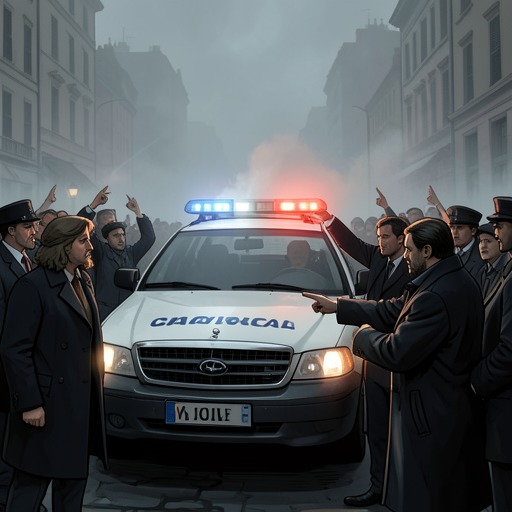
Newspaper coverage cast the [Vällingby](entity:location-recall-location-v-llingby-710c5b20092c) murder as a possible ritual killing, and speculation turned toward foreigners before the police released a sketch of a pale, ordinary-looking Swedish man. The public tried to give an inexplicable crime a recognizable face and a convenient explanation.
On October 26, news of a major heroin seizure and the grounding of a Soviet submarine drew attention away from the killer. The shifting headlines showed how quickly fear moved from one threat to another while the murderer remained at large.
Wednesday, October 28, 1981
Oskar Refuses an Order
After classmates [Jonny Forsberg](entity:character-recall-character-jonny-forsberg-014d695c840a) and [Micke Siskov](entity:character-recall-character-micke-siskov-6650ed890e37) told [Oskar Eriksson](entity:character-recall-character-oskar-eriksson-b766b6a4bc63) to clear rocks out of a sandbox, he answered no. The refusal was small but decisive: for once he did not perform the humiliating task simply to shorten the punishment that would follow.
The bell did not end the confrontation. [Jonny](entity:character-recall-character-jonny-3086886a720c), [Micke](entity:character-recall-character-micke-5c5b39091b85), and [Tomas Ahlstedt](entity:character-recall-character-tomas-ahlstedt-6539023c755a) waited until [Oskar](entity:character-recall-character-oskar-ea89577afe7e) returned to clean up, then beat him with hazel branches. [Tomas](entity:character-recall-character-tomas-05718bb4d91a) struck his face, leaving a long cut that Oskar chose to conceal from his mother.
Wednesday, October 28, 1981
Tommy Offers a Small Kindness
[Oskar](entity:character-recall-character-oskar-ea89577afe7e), shaken and bleeding, went down to [Tommy](entity:character-recall-character-tommy-6e67d140947b)’s clubhouse. Tommy recognized that he had been beaten, warned him to stay away from drugs, and offered him a tape of KISS albums.
Tommy did not promise that he could stop the bullying, but his concern gave Oskar a rare experience of being treated as more than a target. That modest kindness made their neighborly connection important as the danger around them grew.
Wednesday night, October 28, 1981
A Code Through the Wall
[Oskar Eriksson](entity:character-recall-character-oskar-eriksson-b766b6a4bc63) wrote out a [Morse code chart](entity:object-recall-object-a51a07aa7949) for [Eli](entity:character-recall-character-eli-90681e812a09) so they could communicate through the wall between their apartments. He was trying to make their meetings into a continuing friendship, with a private system only the two of them shared.
When Eli saw [Oskar](entity:character-recall-character-oskar-ea89577afe7e)’s injured cheek, she told him to fight back and use a weapon if necessary. Oskar gave her the chart, and she applauded his swing trick. For the first time, his bond with Eli seemed to offer both companionship and a reason to resist his tormentors.
Thursday, October 29, 1981
Hakan’s Desperate Bargain
[Hakan Bengtsson](entity:character-recall-character-hakan-bengtsson-b771479118be) argued with [Eli](entity:character-recall-character-eli-90681e812a09) about the blood she needed. He refused to repeat the killings, even though Eli warned that she would die without help. Their exchange exposed how much [Hakan](entity:character-recall-character-hakan-cd4ad600d0ba)’s love depended on his willingness to keep her alive.
Eli offered closeness in return for another act of feeding. Hakan agreed, moved by desire and devotion despite his revulsion at what he had to do. His decision set up a new attempt to obtain blood—and a catastrophe when the plan failed.
Thursday evening, October 29, 1981
The Pool Ambush
[Hakan Bengtsson](entity:character-recall-character-hakan-bengtsson-b771479118be) entered [Vällingby Pool](entity:location-recall-location-v-llingby-pool-418e778858cd) masked and carrying equipment, intending to kill a boy and collect fresh blood for [Eli](entity:character-recall-character-eli-90681e812a09). He chose Mattias, a boy left alone in the changing area, and overpowered him with the anesthetic canister.
[Hakan](entity:character-recall-character-hakan-cd4ad600d0ba) prepared to drain the boy while other swimmers were nearby. The victim woke and screamed, and the men outside broke into the changing room. Hakan’s carefully arranged plan collapsed in public.
Thursday night, October 29, 1981
Hakan’s Acid Suicide Attempt
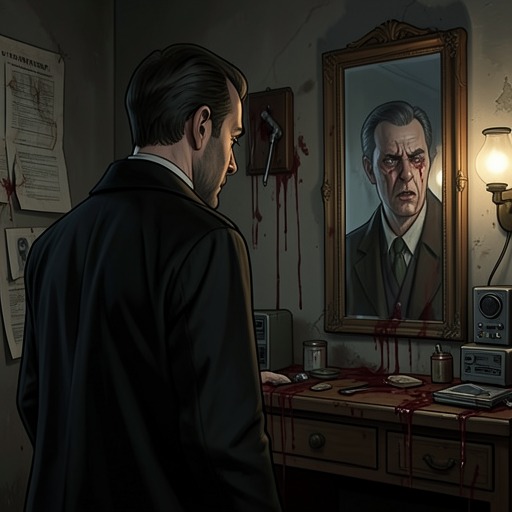
As the men broke into the changing room, [Hakan Bengtsson](entity:character-recall-character-hakan-bengtsson-b771479118be) gave up trying to escape and poured concentrated acid over his face. He called out [Eli](entity:character-recall-character-eli-90681e812a09)’s name as he destroyed the features by which the police might identify him.
The police found him horribly injured but alive. His attempt to die instead created a long, unnatural survival in hospital, leaving Eli without her helper and placing [Hakan](entity:character-recall-character-hakan-cd4ad600d0ba) within reach of both investigators and the infection that would later revive him.
Friday, October 30, 1981
The Killer’s Words
[Police](entity:organization-recall-organization-police-ff49ac86d5d5) questioned the witnesses who had seen [Hakan Bengtsson](entity:character-recall-character-hakan-bengtsson-b771479118be) pour acid over himself. The phrase “[Eli](entity:character-recall-character-eli-90681e812a09), Eli” stayed with [Staffan](entity:character-recall-character-staffan-5a22ffefa008), who recognized it as words associated with Christ’s cry on the cross.
The religious association did not explain [Hakan](entity:character-recall-character-hakan-cd4ad600d0ba)’s crimes, but it gave the investigators a striking detail to record. Meanwhile, the killer’s identity remained uncertain, and the authorities had no idea that the name he had shouted pointed toward Eli.
Thursday, November 5, 1981
A Wounded Boy Fights Back
On a school outing near [Kvarnviken Bay](entity:location-recall-location-kvarnviken-bay-9315895f2f54), [Jonny Forsberg](entity:character-recall-character-jonny-forsberg-014d695c840a) and [Micke Siskov](entity:character-recall-character-micke-siskov-6650ed890e37) dragged [Oskar Eriksson](entity:character-recall-character-oskar-eriksson-b766b6a4bc63) toward a hole in the ice. [Oskar](entity:character-recall-character-oskar-ea89577afe7e) broke free long enough to strike [Jonny](entity:character-recall-character-jonny-3086886a720c) with a branch, leaving him badly injured, then ran for help when Jonny vomited.
The attack ended with another boy’s head discovered frozen in the ice nearby: the body of [Jocke Bengtsson](entity:character-recall-character-jocke-bengtsson-f47b6833b707), whom [Hakan](entity:character-recall-character-hakan-cd4ad600d0ba) had sunk in the water. The discovery connected the missing man’s disappearance to murder and brought the police back into the story.
Saturday, November 7, 1981
A Visit to His Father
After the violence at school, [Oskar Eriksson](entity:character-recall-character-oskar-eriksson-b766b6a4bc63) visited his father in the countryside. The two shared food, memories, and a ride behind his father’s moped, but [Oskar](entity:character-recall-character-oskar-ea89577afe7e) kept waiting for his father to address the drinking and the conflict that had unsettled him.
When his father’s friend [Janne](entity:character-recall-character-janne-0d3e435b8679) arrived and drinking began, Oskar felt the familiar warmth of his visit give way to dread. He left the house at night, carrying his childhood boots and trying to escape the adult world he had hoped his father might help him face.
Saturday, November 7, 1981
Tommy Keeps a Secret
[Tommy](entity:character-recall-character-tommy-6e67d140947b) learned that his future stepfather, [Staffan](entity:character-recall-character-staffan-5a22ffefa008), had lost a pistol-shooting trophy. Tommy had stolen the statuette and hidden it in the basement shelter, resisting the marriage plans and the authority Staffan represented to him.
At the same time, Tommy’s mother, [Yvonne](entity:character-recall-character-yvonne-3d00d3f7e6d0), tried to protect both her son and her relationship with Staffan. Tommy withdrew to the clubhouse, where the stolen trophy would become a weapon in a later struggle.
Saturday night, November 7, 1981
Eli Buys Blood
[Eli](entity:character-recall-character-eli-90681e812a09) found [Tommy](entity:character-recall-character-tommy-6e67d140947b) alone in the basement clubhouse, intoxicated by glue fumes, and offered him money in exchange for blood. Tommy was frightened and suspicious, but he accepted the bargain and let Eli cut his arm and drink from him.
Eli left money and a dressing on Tommy’s arm, but the exchange left him shaken by what he had agreed to do. Tommy’s ordeal showed Eli trying to obtain blood without killing, even as his need remained frightening and difficult to explain.
Late Saturday night, November 7, 1981
Oskar Returns to Eli
After fleeing his father’s house, [Oskar Eriksson](entity:character-recall-character-oskar-eriksson-b766b6a4bc63) returned to [Blackeberg](entity:location-recall-location-blackeberg-f76c4f0d4a94) and went to [Eli](entity:character-recall-character-eli-90681e812a09)’s apartment. He had begun to understand that Eli was a vampire, yet his deeper fear was that Eli would reject him rather than that she might harm him.
Eli let [Oskar](entity:character-recall-character-oskar-ea89577afe7e) in and explained that she lived on blood but did not consider herself a monster. They kissed, and Eli revealed the memory of her childhood, including the violence that had transformed her. Oskar saw that the creature he feared had once been a child subjected to cruelty.
Late Saturday night, November 7, 1981
Oskar Refuses Transformation
[Oskar Eriksson](entity:character-recall-character-oskar-eriksson-b766b6a4bc63) learned that [Eli](entity:character-recall-character-eli-90681e812a09) had lived for centuries while remaining physically twelve, and that her birth name was Elias. Eli asked whether he wanted to become like her, offering a way for them to remain together beyond an ordinary human life.
[Oskar](entity:character-recall-character-oskar-ea89577afe7e) wanted to stay with Eli but refused vampirism. His answer preserved the difference between loving her and choosing her condition, a distinction that would shape the choices he made as Eli’s strength and danger intensified.
Early Sunday, November 8, 1981
The Hospital Escape
[Hakan Bengtsson](entity:character-recall-character-hakan-bengtsson-b771479118be) awakened in hospital, horribly disfigured and dependent on medical equipment. When he learned that police were connecting him to the murders, he remained silent, still trying to protect [Eli](entity:character-recall-character-eli-90681e812a09).
He escaped from his guarded room and killed [Benke Edwards](entity:character-recall-character-benke-edwards-96ecd0fdb4e7), the hospital worker who encountered him in the morgue. The man presumed dead was moving again, driven by the infection that had taken hold of his body.
Sunday morning, November 8, 1981
A Body on the Bridge
Dressed in a hospital gown, [Hakan Bengtsson](entity:character-recall-character-hakan-bengtsson-b771479118be) crossed [Traneberg Bridge](entity:location-recall-location-traneberg-bridge-f262f55abca7) after leaving the hospital. A driver swerved to avoid him and later reported the encounter to the police.
The authorities launched a large search of [Judarn Forest](entity:location-recall-location-judarn-forest-b249038e5390), believing the critically injured man could not have survived long without help. The search turned [Hakan](entity:character-recall-character-hakan-cd4ad600d0ba) into a public spectacle and intensified the danger to anyone connected to him.
Sunday, November 8, 1981
The Underpass Witness
[Gosta](entity:character-recall-character-gosta-23b185aefadb) finally told [Lacke](entity:character-recall-character-lacke-c75dd1317f28), [Morgan](entity:character-recall-character-morgan-995ce75c13a9), [Larry](entity:character-recall-character-larry-e4ec2b6e8fcf), [Karlsson](entity:character-recall-character-karlsson-5fd9c68bb1d6), and [Virginia](entity:character-recall-character-virginia-7edc95c07a78) that he had seen [Jocke Bengtsson](entity:character-recall-character-jocke-bengtsson-f47b6833b707) disappear into the underpass with a child. He had been too frightened to go to the police, but the discovery of [Jocke](entity:character-recall-character-jocke-749ebad8d079)’s body made his silence harder to bear.
The group went to the underpass and confirmed where the attack had occurred. Lacke, grieving his closest friend, insisted that they had to find the killer, though they still did not know what kind of enemy they faced.
Sunday morning, November 8, 1981
Tommy’s Church Prank
[Tommy](entity:character-recall-character-tommy-6e67d140947b) went to [St. Thomas Church](entity:location-recall-location-st-thomas-church-839a1da965f6) with his mother and [Staffan](entity:character-recall-character-staffan-5a22ffefa008), who hoped the visit might signal that Tommy accepted their planned marriage. During the service, Tommy poured a chemical mixture into the baptismal font and set it smoking.
The congregation fled, and Staffan left to join the search for [Hakan Bengtsson](entity:character-recall-character-hakan-bengtsson-b771479118be). Tommy’s prank deepened the conflict between him and Staffan, while the family’s fragile arrangements continued to unravel around them.
Sunday, November 8, 1981
Hakan Becomes a Fugitive
After escaping hospital, [Hakan Bengtsson](entity:character-recall-character-hakan-bengtsson-b771479118be) wandered through the countryside and attacked [Benke Edwards](entity:character-recall-character-benke-edwards-96ecd0fdb4e7), whose body was left mutilated. [Police](entity:organization-recall-organization-police-ff49ac86d5d5) organized a major search, but no one could find [Hakan](entity:character-recall-character-hakan-cd4ad600d0ba) or understand how he remained alive.
At a press conference, investigators released a photograph of Hakan before his disfigurement and asked the public for help. The image gave the hunt a face, while [Oskar Eriksson](entity:character-recall-character-oskar-eriksson-b766b6a4bc63) recognized the danger that the man might return to [Eli](entity:character-recall-character-eli-90681e812a09).
Sunday night into Monday, November 9, 1981
Virginia’s Transformation
After [Eli](entity:character-recall-character-eli-90681e812a09) attacked her, [Virginia](entity:character-recall-character-virginia-7edc95c07a78) felt an uncontrollable hunger and discovered that sunlight burned her skin. She recognized that something living had taken root inside her, independent of her own will, and understood that she had become a vampire.
Virginia resisted the urge to feed on people she loved, but her strength was failing. Her condition turned her ordinary attachments into dangers and left her facing the choice between harming others and trying to end her altered life.
Sunday night, November 8, 1981
The Cats Attack Virginia
[Virginia](entity:character-recall-character-virginia-7edc95c07a78) went to [Gosta](entity:character-recall-character-gosta-23b185aefadb)’s apartment seeking blood. When she entered, Gosta’s cats sensed what she had become and attacked her in a frantic mass, biting and clawing at her.
[Lacke](entity:character-recall-character-lacke-c75dd1317f28) tried to pull Virginia away from the animals, while Gosta fought to protect his cats. Virginia briefly regained control and escaped, but the encounter left her badly injured and made clear that the infection had pushed her beyond the life she and Lacke had shared.
Monday morning, November 9, 1981
Virginia Chooses the Sun
[Virginia](entity:character-recall-character-virginia-7edc95c07a78) was restrained in hospital as she tried to resist the infection. She asked the nurse to open the blinds, hoping sunlight would end the transformation before she hurt someone else.
The sunlight set her body ablaze. [Lacke](entity:character-recall-character-lacke-c75dd1317f28) woke too late to stop her, and Virginia died in the room while he remained beside her. Her decision was an act of resistance and sacrifice, but it left Lacke bereft and convinced that he had failed her.
Saturday, November 7, 1981, and the following day
Oskar Sees His Father Again
[Oskar Eriksson](entity:character-recall-character-oskar-eriksson-b766b6a4bc63)’s visit to his father ended painfully when drinking began and the evening turned into an encounter with the angry, needy person [Oskar](entity:character-recall-character-oskar-ea89577afe7e) associated with alcohol. Oskar left rather than remain in the house, but the experience deepened the distance between them.
The following day, his father called to discuss what had happened without truly addressing it. Oskar ended the conversation quickly, carrying his hurt back into a city where his connection to [Eli](entity:character-recall-character-eli-90681e812a09) was becoming his most urgent concern.
Monday, November 9, 1981
The Train Threat
On his way back to warn [Eli](entity:character-recall-character-eli-90681e812a09), [Oskar Eriksson](entity:character-recall-character-oskar-eriksson-b766b6a4bc63) was stopped at the [Blackeberg](entity:location-recall-location-blackeberg-f76c4f0d4a94) station by [Jonny Forsberg](entity:character-recall-character-jonny-forsberg-014d695c840a) and [Tomas Ahlstedt](entity:character-recall-character-tomas-ahlstedt-6539023c755a). They forced him toward the tracks as an oncoming train approached, turning their bullying into a credible attempt to kill him.
They pulled him back at the last moment, then left him humiliated and terrified. [Oskar](entity:character-recall-character-oskar-ea89577afe7e) had tried to reach Eli because [Hakan](entity:character-recall-character-hakan-cd4ad600d0ba) might have been found; now he faced both the returning killer and the old violence of his school life.
Monday, November 9, 1981
Lacke Finds Eli’s Apartment
After recognizing [Hakan Bengtsson](entity:character-recall-character-hakan-bengtsson-b771479118be)’s photograph in the news, [Lacke](entity:character-recall-character-lacke-c75dd1317f28) connected the killer to the man who had bought him drinks and lived in his building complex. He went to the apartment, found it empty, and forced his way into the locked bathroom.
There he found a blood-filled bathtub and [Eli](entity:character-recall-character-eli-90681e812a09) lying submerged beneath the surface. Convinced that he had found the creature responsible for [Virginia](entity:character-recall-character-virginia-7edc95c07a78)’s death and [Jocke](entity:character-recall-character-jocke-749ebad8d079)’s murder, Lacke picked up a kitchen knife and prepared to kill Eli.
Monday, November 9, 1981
Oskar Saves Eli
[Oskar Eriksson](entity:character-recall-character-oskar-eriksson-b766b6a4bc63) entered the apartment and saw [Lacke](entity:character-recall-character-lacke-c75dd1317f28) about to stab [Eli](entity:character-recall-character-eli-90681e812a09). Instead of attacking him, [Oskar](entity:character-recall-character-oskar-ea89577afe7e) showed Lacke the bright [Rubik’s Cube](entity:object-recall-object-rubik-s-cube-81b7367a2169) he had stolen as a gift for Eli, interrupting the movement long enough for Eli to awaken.
Eli killed Lacke before he could strike. Oskar then closed and locked the bathroom door, choosing to protect Eli even as he heard Lacke die. The decision made Oskar a participant in the violence he had once only imagined.
Tuesday night, November 10, 1981
The Schoolyard Fire
[Oskar Eriksson](entity:character-recall-character-oskar-eriksson-b766b6a4bc63) went to [Oskar’s school](entity:location-recall-location-722abf233408) after dark and poured [T-Rod](entity:object-recall-object-t-rod-7a453044df8b) onto the desks of [Jonny Forsberg](entity:character-recall-character-jonny-forsberg-014d695c840a) and [Tomas Ahlstedt](entity:character-recall-character-tomas-ahlstedt-6539023c755a). He lit a match and fled as the desks erupted into flames and the fire alarm rang through the building.
[Oskar](entity:character-recall-character-oskar-ea89577afe7e) had wanted to strike back at the boys who had tormented him, but the fire did not bring the clarity he expected. He returned home with singed eyelashes and continued to feel that some essential action remained undone.
Early Monday, November 9, 1981
Eli Returns to the Basement
[Eli](entity:character-recall-character-eli-90681e812a09) visited [Tommy](entity:character-recall-character-tommy-6e67d140947b) in the basement shelter to make sure he had survived the bloodletting. The clubhouse was empty, and Eli prepared to leave, believing the danger from [Hakan](entity:character-recall-character-hakan-cd4ad600d0ba) had passed.
At the same time, [Hakan Bengtsson](entity:character-recall-character-hakan-bengtsson-b771479118be) had returned to [Blackeberg](entity:location-recall-location-blackeberg-f76c4f0d4a94), driven by his attachment to Eli and by the infection that now animated him. His arrival turned the basement into the site of another confrontation.
Early Monday, November 9, 1981
Hakan Attacks Eli
[Hakan Bengtsson](entity:character-recall-character-hakan-bengtsson-b771479118be) forced his way into the basement shelter and attacked [Eli](entity:character-recall-character-eli-90681e812a09). The damaged, nearly blind man was no longer the caregiver Eli had known; he assaulted her with a strength and persistence that made him seem less like a person than an infection moving through a body.
Eli fought back with a broken broom handle, drove it into [Hakan](entity:character-recall-character-hakan-cd4ad600d0ba)’s eye, and crushed his heart. When that did not stop him, Eli maneuvered him into the locked safety room and jammed the mechanism from outside before crawling away, badly injured.
Early Monday, November 9, 1981
Tommy Kills Hakan
Trapped in the shelter, [Tommy](entity:character-recall-character-tommy-6e67d140947b) discovered [Hakan](entity:character-recall-character-hakan-cd4ad600d0ba)’s body in the darkness and believed it was his dead father. He used [Staffan](entity:character-recall-character-staffan-5a22ffefa008)’s shooting trophy as a club, striking Hakan repeatedly when the apparently dead man rose and groped toward him.
Tommy’s terror turned into a brutal act of survival. The struggle left him traumatized, but his blows helped end Hakan’s immediate pursuit and allowed [Eli](entity:character-recall-character-eli-90681e812a09) to escape the basement.
Monday, November 9, 1981
The Search Ends in Custody
[Police](entity:organization-recall-organization-police-ff49ac86d5d5) discovered [Hakan Bengtsson](entity:character-recall-character-hakan-bengtsson-b771479118be) in the basement safety room and took him to hospital, though his body remained capable of movement long after it should have been dead. [Tommy](entity:character-recall-character-tommy-6e67d140947b) was found physically unharmed but in severe shock.
The authorities announced that the ritual killer had been apprehended, while the body of an unidentified man was later found in [Eli](entity:character-recall-character-eli-90681e812a09)’s apartment. Their official account could not explain the strange physical evidence, and the search for what had really happened continued behind police seals and unanswered questions.
Monday evening, November 9, 1981
Oskar Chooses the Night
[Oskar Eriksson](entity:character-recall-character-oskar-eriksson-b766b6a4bc63) lay at home with [Eli](entity:character-recall-character-eli-90681e812a09)’s belongings hidden beneath his bed. Eli had asked whether he wanted to become like her, but he had refused; he still wanted to be with her, despite knowing that she could not offer him an ordinary future.
He remembered the danger at school and the threat at the station, and he began to understand that he could not return to the life he had before Eli. Their bond had become both his refuge and the force drawing him away from home.
Tuesday night, November 10, 1981
Oskar Burns the Desks
Unable to sleep, [Oskar Eriksson](entity:character-recall-character-oskar-eriksson-b766b6a4bc63) returned to his classroom and deliberately set [T-Rod](entity:object-recall-object-t-rod-7a453044df8b)-soaked desks alight. The fire grew faster than he had expected, spreading to nearby paper decorations and triggering the school alarm.
[Oskar](entity:character-recall-character-oskar-ea89577afe7e) escaped before the fire could consume the building, but the act did not settle his anger or his fear. He had taken revenge on [Jonny Forsberg](entity:character-recall-character-jonny-forsberg-014d695c840a) and [Tomas Ahlstedt](entity:character-recall-character-tomas-ahlstedt-6539023c755a), yet he remained caught between the ordinary world he was leaving and the dangerous one he had chosen.
Wednesday, November 11, 1981
Tommy Receives the Money
[Oskar](entity:character-recall-character-oskar-ea89577afe7e) placed an envelope of money in [Tommy](entity:character-recall-character-tommy-6e67d140947b)’s mailbox, hoping to repay him for the blood [Eli](entity:character-recall-character-eli-90681e812a09) had taken and for the kindness he had shown. He avoided being seen and did not leave a personal message that might identify him.
The gesture was generous but could not erase Tommy’s trauma or Oskar’s growing isolation. Oskar was trying to settle accounts with the people around him even as he prepared, without fully admitting it, to leave them.
Thursday, November 12, 1981
Oskar Returns to Training
[Fernando Cristobal de Reyes y Avila](entity:character-recall-character-fernando-cristobal-d9afa46b6afc) telephoned [Oskar Eriksson](entity:character-recall-character-oskar-eriksson-b766b6a4bc63) and urged him to come to the strength-training session. He had guessed that [Oskar](entity:character-recall-character-oskar-ea89577afe7e) was responsible for the fire, but promised not to tell anyone and offered to talk only if Oskar wanted.
Oskar came to the pool, where the familiar routine briefly gave him something steady to do. [Jonny Forsberg](entity:character-recall-character-jonny-forsberg-014d695c840a)’s group had other plans: they had arranged to attack Oskar there, away from the school and under conditions they controlled.
Thursday evening, November 12, 1981
Avila Is Knocked Down
Before the attack on [Oskar](entity:character-recall-character-oskar-ea89577afe7e), [Jonny Forsberg](entity:character-recall-character-jonny-forsberg-014d695c840a)’s older brother [Jimmy](entity:character-recall-character-jimmy-7097cd16d51d) and two associates ambushed [Fernando Cristobal de Reyes y Avila](entity:character-recall-character-fernando-cristobal-d9afa46b6afc) in the changing area. They struck the teacher and robbed him, leaving him unconscious with a serious head injury.
With Avila out of the way, [Jonny](entity:character-recall-character-jonny-3086886a720c)’s group could isolate Oskar in the pool. The attack turned a place where Oskar had begun to feel safer into a trap.
Thursday night, November 12, 1981
Oskar Is Held Underwater
[Jimmy](entity:character-recall-character-jimmy-7097cd16d51d) and [Jonny Forsberg](entity:character-recall-character-jonny-forsberg-014d695c840a) cornered [Oskar Eriksson](entity:character-recall-character-oskar-eriksson-b766b6a4bc63) in the swimming pool. Jimmy held [Oskar](entity:character-recall-character-oskar-ea89577afe7e) underwater and told him he would lose an eye if he surfaced before the five-minute contest was over.
Oskar struggled, then began to lose strength and drift toward unconsciousness. [Micke Siskov](entity:character-recall-character-micke-siskov-6650ed890e37) grew uneasy but did not stop the attack. The boys’ cruelty had reached a point where Oskar’s life depended on someone else breaking into the room.
Thursday night, November 12, 1981
Eli Breaks Into the Pool
[Eli](entity:character-recall-character-eli-90681e812a09) appeared outside the pool and demanded entry from [Micke Siskov](entity:character-recall-character-micke-siskov-6650ed890e37). [Micke](entity:character-recall-character-micke-5c5b39091b85), frightened by her appearance, gave the invitation. Eli smashed through the reinforced glass and entered the building.
She pulled [Oskar](entity:character-recall-character-oskar-ea89577afe7e) from the water and killed [Jonny](entity:character-recall-character-jonny-3086886a720c) and [Jimmy](entity:character-recall-character-jimmy-7097cd16d51d), leaving their heads in the pool. The other boys saw her as an angel, though what she did was both rescue and terrible violence. Oskar had been saved, but the killing made his departure from ordinary life nearly unavoidable.
Friday, November 13, 1981
The Angel’s Aftermath
The police questioned the boys who had witnessed the attack and struggled to make sense of their accounts. Several described an angel, while the blood patterns and physical evidence suggested that someone had moved through the scene in ways the investigators could not explain.
[Oskar Eriksson](entity:character-recall-character-oskar-eriksson-b766b6a4bc63) was missing. [Gunnar Holmberg](entity:character-recall-character-gunnar-holmberg-fdbef943a3c0) recognized him as the quiet boy from the drug lesson and worried about what had happened to him. The authorities could record the deaths and the evidence, but the story they were told did not fit any ordinary explanation.
After the pool attack, November 1981
The Two Leave Blackeberg
[Oskar Eriksson](entity:character-recall-character-oskar-eriksson-b766b6a4bc63) and [Eli](entity:character-recall-character-eli-90681e812a09) left [Blackeberg](entity:location-recall-location-blackeberg-f76c4f0d4a94) together. In the days before they departed, they gathered Eli’s boxes and escaped the apartment as police began investigating the disappearance and searching the building.
[Oskar](entity:character-recall-character-oskar-ea89577afe7e)’s mother remained behind, while Eli carried the possessions of a life that could never settle in one place. Their departure was not a solution to the violence that had shaped them; it was a choice to face an uncertain future together.